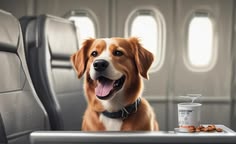
The Ground Ride Is The Weakest Link When You Fly With A Crated Dog
The crate is not the hard part of flying with a seventy pound dog. Owners spend weeks on health certificates, vaccination records and a rigid 36 inch kennel, then leave the twenty two miles between a North Shore driveway and the terminal to whatever car happens to accept the ping before dawn. That is the leg that breaks. A driver pulls up in a compact sedan, looks at the crate through the glass, and cancels without rolling the window down. Booking a vehicle sized to the kennel is why some families now treat airport transportation boston ma as equipment planning instead of a comfort upgrade. The ground leg is the one part of pet air travel you can settle completely before departure day, and it is the part most owners leave to luck.
Cancelled Curbside Pickups Are The Real Failure Point
Ten years ago the default was a phone call to a local car service two days out, and a dispatcher asked what you were bringing. Today the default is an app, and the app asks nothing. Vehicles get assigned by passenger count rather than cargo volume, so a hard sided kennel measuring 36 inches long and 25 inches tall is news to the driver who actually shows up. The version we run into most often is not an argument at the curb. It is a silent cancellation, then a second cancellation, then a rebook that eats forty minutes of a boarding window that was already thin.
Solving that on a sidewalk is expensive in the only currency that matters that morning. The rebook costs money, sure, but mostly it costs the buffer you built for the counter, the crate inspection and the long walk to the gate. The clock is the one passenger nobody can negotiate with.
Measure The Crate Before You Book Anything
Measure the kennel, not the dog. A 36 inch crate for a seventy pound retriever runs roughly 36 by 25 by 27 inches, and it has to load without tipping, because a tipped crate means a stressed dog before the trip has started. That rules out most sedans and a fair number of midsize SUVs once a second suitcase is in the cargo area. Any airport transportation boston ma operator worth booking will take those three numbers over the phone and name the vehicle that clears them, and a company that will not do that on a first call has told you something useful. Ask about load height while you have someone on the line, since lifting ninety pounds of crate and dog into a high cargo floor is a two person job at five in the morning.
Price The Whole Trip Not Just The Ride
Say a five day trip from a town twenty two miles north of the city. An app quotes $58 for a sedan that may not take the crate at all, so call it $116 round trip on the optimistic assumption that both drivers accept it. Drive yourself instead and a garage rate of $39 a day puts five days at $195, plus about $16 in tolls and fuel, which comes to $211 before you push a crate onto a shuttle bus. A pre booked SUV quoted at, say, $135 each way lands at $270 all in, with the kennel loaded and unloaded for you at both ends. Those are illustrative figures rather than quotes, but the gap is narrower than most owners assume.
The boarding kennel stop is where that math actually turns. A car service willing to route through a facility on the way to the terminal replaces a separate round trip you would otherwise drive yourself, usually the night before, usually in traffic you did not budget for. Get that stop written into the reservation with an address and a time window rather than agreed verbally.
Heat And Timing Decide Your Departure Window
Summer departures get scheduled around heat, not around convenience. Never leave a dog waiting in a parked vehicle, not for a quick errand, not for five minutes at the curb, and not with the windows cracked, because Miami-Dade County warns that on a 78 degree day a car interior can reach 160 degrees and heatstroke can develop within minutes. That rule does not soften because the vehicle is a black SUV with tinted glass, and it does not soften because you will only be inside the terminal for a moment. The consequences here are documented rather than theoretical. A December 2025 review published in Frontiers in Animal Science reported a 14.18% mortality rate across heat related illness cases in dogs and around 50% among diagnosed heatstroke cases, with flat faced breeds and overweight dogs carrying more of that risk than the average animal. So ask the operator to confirm that the vehicle will be running with air conditioning on before the dog is loaded and that the chauffeur stays with it. Then check your airline’s live animal temperature limits before you buy the ticket, because carriers refuse animals when forecast ground temperatures anywhere on the itinerary sit above their published ceiling, and the summer ceiling is lower than most first time flyers expect.
Timing follows from the same constraint. A pre dawn pickup in July is the coolest slot available all day, which is why the flight nobody wants is often the right flight to buy. Monitoring matters for the reverse trip: if an inbound leg slips two hours, the pickup should slip with it instead of leaving a crated dog waiting in baggage claim beside a chauffeur who was booked for the original time. Confirm that the company tracks the flight number, adjusts the reservation on its own, and tells you it does so in writing.
The Short List To Confirm Before Departure Day
All of it reduces to one phone call the week before, and it should be a boring call. Give the operator three crate measurements and ask which vehicle clears them with luggage aboard. Get the kennel stop into the reservation with an address and a window, put the flight number on file with monitoring attached, and ask plainly whether the quoted rate covers tolls, gratuity and waiting time if the departure slides an hour. The dog’s part of this trip is unpredictable enough on its own. The ride to the terminal does not have to be, and it is the cheapest piece of the whole itinerary to make certain.

- What to Expect During Your Dog’s First Visit to a Professional Groomer - September 21, 2026
- Why White Silkies Are the Best Pet Chickens for Families with Kids - September 18, 2026
- Pig Feed 101: A Beginner’s Guide to Feeding Your First Pigs - September 13, 2026