
Veterinary Care for Exotic Pets in Los Angeles: Birds, Rodents and Small Companions
Cats and dogs dominate the conversation about veterinary medicine, and for good reason: most clinics are built around them. But a growing number of Los Angeles households include a parrot, a rabbit, a guinea pig, a ferret or a rat, and owners of these animals quickly discover the hardest part of owning an exotic pet is not the cage or the diet. It is finding a doctor who actually knows the species.
That search usually ends in disappointment. A clinic that comfortably handles a Labrador may have no equipment small enough, no drugs dosed for a two-kilogram patient, and no experience reading the subtle signals a bird hides until it is critically ill. This is precisely the gap that a specialized veterinary clinic in Los Angeles is built to close, and it is why Animal Clinic Hospital in Sherman Oaks keeps dedicated ornithology and ratology departments rather than treating small animals as an exception.
Why Exotic Pets Need a Different Kind of Doctor
The physiology is simply not the same. Birds mask disease by instinct: in the wild, a visible sick bird is a dead bird, so a parrot that still eats and still sings can already be seriously ill by the time an owner notices anything. Temperature regulation, metabolism and respiration differ completely from those of a mammal. A rabbit that stops eating is an emergency, not a mood. A rat is prone to tumors that are treatable when caught early and deadly when ignored.
These patients demand a doctor who examines them often, interprets behavior as a clinical symptom, and has a laboratory that can work with very small samples. Waiting days for an outside reference lab is not an option when the patient weighs 40 grams.
Ornithology: Care for Poultry and Cage Birds
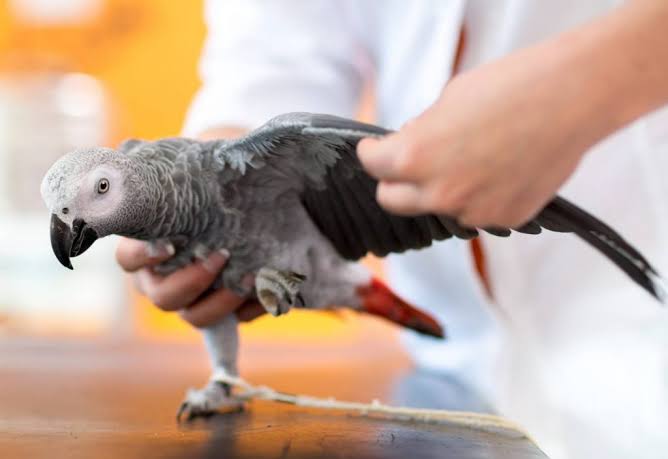
Ornithology covers veterinary aid to poultry and cage birds, from a family cockatiel to backyard hens kept for eggs. The work includes preventive examinations, feather and beak disorders, respiratory infections, reproductive problems such as egg binding, and nutritional disease caused by an all-seed diet, which is one of the most common and most fixable mistakes owners make. Vaccination and deworming programs exist for poultry as well, which matters for anyone keeping birds for eggs rather than only for company.
A proper examination of a bird is a skill in itself: the doctor assesses body condition through the keel bone, listens to the respiratory tract, checks droppings, and often uses imaging to see air sacs that no stethoscope can reveal. Equipment and technique built for a thirty-kilogram dog are useless here.
Ratology: The Patients Many Clinics Simply Refuse
Ratology is the branch dedicated to rodents: rats, mice, hamsters, gerbils, chinchillas, guinea pigs and rabbits. It is the most frequently refused category in the city, and owners know the familiar answer: “We don’t treat those here.” Being turned away with a sick animal is a uniquely awful experience, and it is the reason ratology exists as a separate, named direction rather than as a favor done occasionally.
Typical cases include dental malocclusion, where continuously growing teeth must be trimmed properly instead of cut blind; abscesses; respiratory infections; gastrointestinal stasis in rabbits; and tumors, which are extremely common in rats and respond far better to early surgical removal than to waiting. Skin parasites, ringworm and dietary deficiencies round out the everyday caseload.
The practical advantage of a dedicated department is continuity. The same doctor who performed the sterilization of a female rat also monitors her hormonal cycle, notices a mammary lump early, and removes it while it is still small. Preventive husbandry advice, cage setup and diet are part of the appointment, because with rodents the environment is often the actual cause of the illness.
Diagnostics and Surgery Without the Usual Limits
Small size changes medicine but does not eliminate the need for it. An exotic patient may need blood work, ultrasound or radiography just as a dog does, only performed with instruments and doses adapted to the species. Surgery carries anesthesia risk that must be managed by someone who understands how differently birds and rodents metabolize anesthetic drugs, and recovery has to be supervised rather than left to an empty cage overnight.
The same building also holds therapy, dentistry, obstetrics and an in-house laboratory, which means a bird or rabbit moves from examination to diagnosis to treatment without being transported across the city. The complete list of directions is on the official veterinary care in Los Angeles page, where ornithology and ratology sit alongside surgery and diagnostics as full departments.
Make the Choice Before the Emergency
The best time to find a doctor for an exotic pet is while the animal is healthy. A first visit while everything is fine establishes a baseline, gives the owner honest guidance on diet and housing, and means that when something goes wrong at nine in the evening there is already a clinic that knows the patient. Animal Clinic Hospital at 14006 Ventura Blvd, Sherman Oaks, CA 91423, keeps its small-animal departments ready for exactly that moment — the one when you are holding a cage in your arms and need a real answer, not a list of clinics that do not treat this species.

- Veterinary Care for Exotic Pets in Los Angeles: Birds, Rodents and Small Companions - October 13, 2026
- Tendon and Ligament Health in Horses: The Role of Nutrition in Healing - October 12, 2026
- Best Mobility Chews for Dogs: Support Joint Health, Flexibility, and a Healthy Coat - October 10, 2026


