Tendon and Ligament Health in Horses: The Role of Nutrition in Healing
A tendon injury can sideline a horse for six months or longer, and even after the tissue looks sound on ultrasound, re-injury rates remain stubbornly high. Rest, controlled exercise, and veterinary care carry most of the load in recovery, but the raw materials a horse’s body uses to rebuild collagen come from the feed bucket. Understanding how nutrition influences connective tissue repair gives owners a practical way to support healing rather than simply waiting it out.
Why Tendons and Ligaments Heal Slowly
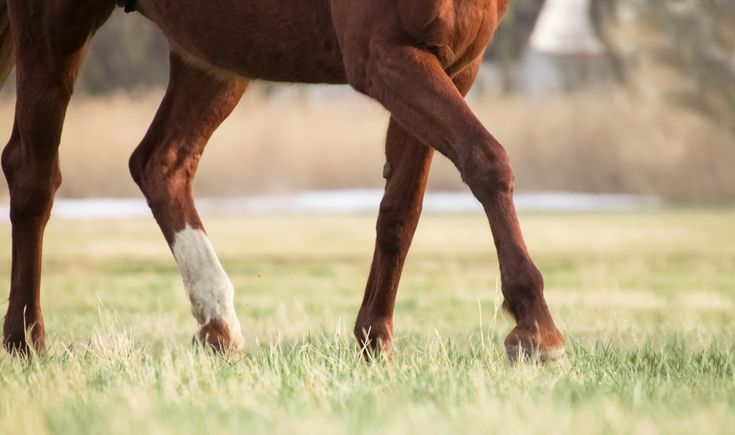
Tendons and ligaments are built from dense, parallel bundles of type I collagen with very little blood supply. That low vascularity is the core problem: nutrients and repair cells arrive slowly, and metabolic activity in the tissue is a fraction of what muscle experiences. When fibers tear, the body initially lays down weaker type III collagen as a patch. Remodeling that scar into organized, load-bearing type I fibers takes many months and depends on a steady supply of specific amino acids, minerals, and cofactors.
The superficial digital flexor tendon and suspensory ligament are the most common injury sites in performance horses, particularly those in racing, eventing, and jumping. Older horses and those carrying excess weight face added strain on already compromised tissue.
Key Nutrients for Connective Tissue Repair
Quality Protein and Specific Amino Acids
Collagen is roughly one-third glycine, with proline and hydroxyproline making up much of the remainder. A horse in recovery needs adequate total protein, but the amino acid profile matters just as much. Lysine, the first limiting amino acid in most equine diets, is required for the cross-linking that gives mature collagen its tensile strength. Alfalfa, soybean meal, and purpose-formulated ration balancers supply these building blocks more reliably than grass hay alone.
Vitamin C and Collagen Synthesis
Horses synthesize their own vitamin C, so deficiency is rare in healthy animals. During prolonged healing or periods of stress, however, demand may outpace production. Vitamin C is an essential cofactor for the enzymes that convert proline and lysine into their hydroxylated forms, a step without which collagen fibers cannot stabilize. Supplementation during rehabilitation is a reasonable, low-risk consideration to discuss with a veterinarian.
Copper, Zinc, and Manganese
These trace minerals drive the enzymatic work of tissue repair. Copper activates lysyl oxidase, the enzyme responsible for collagen cross-linking. Zinc supports cell division and wound healing broadly. Manganese contributes to the formation of glycosaminoglycans, the molecules that give connective tissue its resilience and hydration. Many forages in North America run low in copper and zinc, and high iron levels in water or soil can further interfere with absorption. A hay analysis is the only way to know where a particular horse stands.
Omega-3 Fatty Acids
Inflammation is necessary in the first days after injury, but chronic inflammation degrades tissue quality and slows remodeling. Omega-3 fatty acids from flaxseed, chia, or marine sources shift the inflammatory balance toward resolution. Typical grain-heavy diets skew heavily toward omega-6, so adding a concentrated omega-3 source can help moderate the inflammatory environment around healing tissue.
Silicon and Bone Integrity
Tendons and ligaments anchor to bone, and the health of that interface affects overall soundness. Bioavailable silicon has been studied for its role in collagen formation and bone density, which is why some formulas marketed for equine bone and soft-tissue support include it alongside calcium and phosphorus in appropriate ratios.
What About Joint and Tendon Supplements?
Glucosamine, chondroitin, MSM, and hydrolyzed collagen appear in many equine products. Evidence in horses ranges from promising to inconclusive, and product quality varies widely. Hydrolyzed collagen peptides have the most direct rationale, since they deliver the exact amino acid pattern the body needs. None of these replace a balanced base diet; they supplement it, not replace it.
Practical Feeding Guidelines During Recovery
Horses on stall rest need fewer calories but not less nutrition. A common mistake is cutting concentrates entirely, which often removes vitamin and mineral fortification along with energy. A better approach is to switch to a ration balancer that delivers protein, minerals, and vitamins without excess starch, while keeping forage as the foundation. Maintaining a lean body condition also reduces mechanical load on the injured limb throughout rehabilitation.
Weight management, consistent feeding times, and unrestricted access to clean water round out the basics. Introduce any diet change gradually over one to two weeks.
Frequently Asked Questions
How long does nutritional support need to continue? At minimum, through the full rehabilitation period, which often spans six to twelve months. Many owners keep a maintenance program afterward, given the high risk of re-injury.
Can diet prevent tendon injuries? Nutrition cannot eliminate mechanical risk, but a diet that supports strong collagen and healthy bone gives tissue a better margin against everyday strain.
Should I test my hay? Yes. A forage analysis reveals mineral gaps that guesswork can’t identify.
Nutrition will never replace time and careful management in healing a damaged tendon or ligament. It can, however, ensure that when the body is r

- Tendon and Ligament Health in Horses: The Role of Nutrition in Healing - October 12, 2026
- Best Mobility Chews for Dogs: Support Joint Health, Flexibility, and a Healthy Coat - October 10, 2026
- What to Expect During Your Dog’s First Visit to a Professional Groomer - September 21, 2026