A Struggling Oak Isn’t Always A Dead Oak
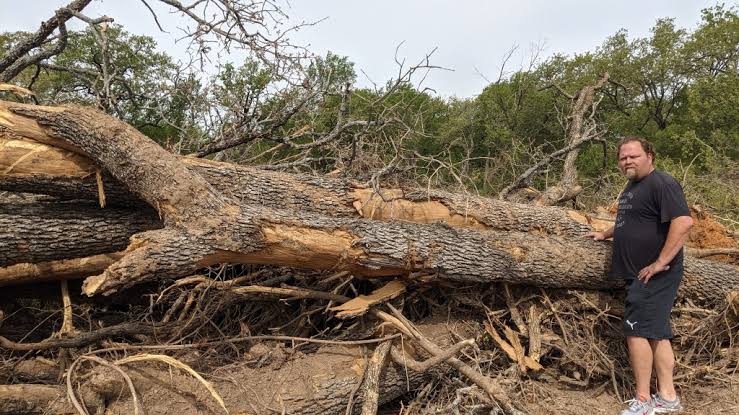
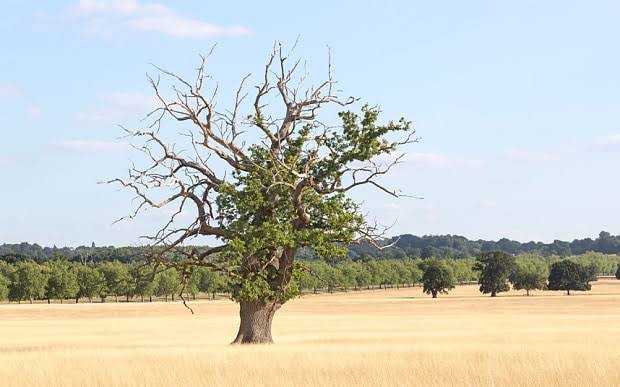
A dead oak and a struggling oak look identical from the far side of a five-acre pasture. Owners read the wrong signal, usually the deadwood raining into the paddock where the horses stand. The belief is simple: a tree dropping limbs is a tree dying, so the chainsaw gets called before anyone checks. That belief is wrong more often than it is right. One honest visit from an arborist plant city fl horse owners trust usually settles whether the decline is terminal or just treatable stress. The real question is whether a certified assessment can save it first.
Removal Is The Reflex Homeowners Reach For First
Fear does the arithmetic on a rural property, and fear points straight at removal. A tree shedding limbs over animals looks like a claim waiting to be filed, so the call people make is for a takedown crew rather than a diagnosis. That is the reflex worth questioning. Ten years ago it made more sense, because the toolkit was a saw, a stump grinder, and little else. Today an arborist arrives with air spading, soil decompaction, and supplemental irrigation, which pushes felling to the bottom of the list. Removal is permanent. A declining oak is not.
Decline Signs Often Point To Treatable Stress
Thinning at the crown, early leaf drop, and deadwood on the lower limbs read like a death sentence to most owners. In practice those same signs usually mean drought stress, compacted soil, or a fungal issue a specialist can manage. Writing the tree off also ignores what a mature canopy does for the animals under it. A January 2026 systematic review of 73 studies in Arboriculture & Urban Forestry found street trees cool daytime air by roughly 0.2 to 0.6 degrees C on average, up to 1.5 degrees C in Melbourne, with Phoenix gaining about 0.14 degrees C for every one percent of added tree cover. For horses standing out in a Plant City July, that shade is not decoration. It is welfare.
An Arborist Reads The Tree Not The Fear
The gap between a tree service and a certified arborist shows up right here on the invoice. Anyone can quote a removal. Reading whether an oak can be saved takes training, because the tree hides its real condition where an owner never looks. A good assessment starts underground, where compacted pasture soil strangles the roots long before the canopy shows it, and air spading blows the soil clear of the root flare so the arborist can see rot, girdling roots, or feeder roots that have starved. Then comes the crown, read limb by limb for the ratio of live wood to dead and whether the central leader is still pushing new growth. A second arborist plant city fl visit after a wet stretch often says more than the first, because a stressed oak that puts out fresh leaves has answered the question on its own. The case we see most often on these five-acre lots is an oak that looked finished in a dry spring and rebounded once the soil was opened and watered. That grandfather oak was never on its last legs. It was thirsty.
Recovery Follows A Predictable Seasonal Timeline
Recovery is not instant, but it follows a schedule an owner can watch. The first week after treatment stays quiet, because the tree is spending everything below ground on new feeder roots. By week four an irrigated oak in decline often shows fresh shoots where the crown was bare, and by month three that growth is holding rather than flushing and fading. Within 90 days you usually know whether the plan worked. The chart below tracks the split between a managed oak and one left alone.
Assess The Tree Before You Fell It
The cheapest time to learn an oak was savable is before the saw touches it, not after. Waiting for a storm to force the decision is the costly path. Tree Care Industry Magazine reports that a full storm-response crew can run about $13,000 a day, and safety trainers note that roughly 90% of hurricane fatalities happen after the storm rather than during it, much of it around downed trees. A planned assessment on a calm afternoon costs a fraction of that and keeps a shade tree over the animals that need it. Get the tree read before you decide its fate. A dying oak and a thirsty one deserve different answers.

- What to Expect During Your Dog’s First Visit to a Professional Groomer - September 21, 2026
- Why White Silkies Are the Best Pet Chickens for Families with Kids - September 18, 2026
- Pig Feed 101: A Beginner’s Guide to Feeding Your First Pigs - September 13, 2026