What Dog Owners Get Wrong About a Pet Safe Lawn
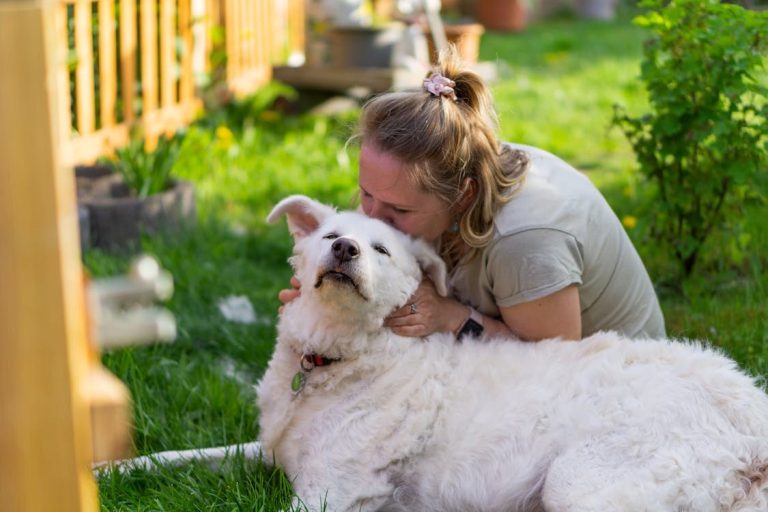
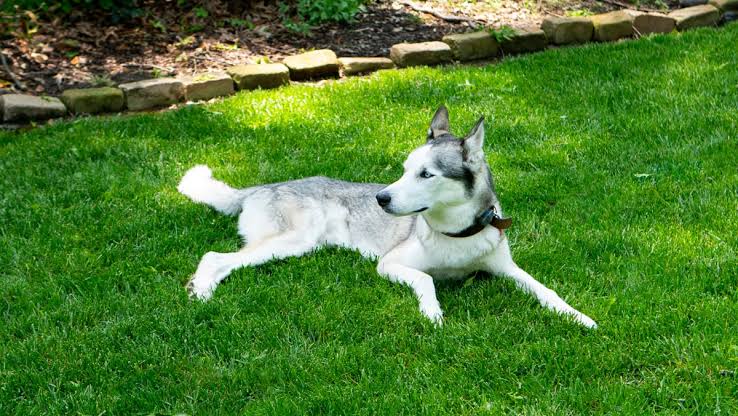
The most common mistake in a dog household is not the mulch on the shelf, it is giving up on the yard altogether. Homeowners searching for mulch monticello il often start looking after two seasons of doing nothing, because a neighbor warned them that mulch and fertilizer would poison the dogs. One mulch on the market genuinely is dangerous. A few application mistakes matter more than owners realize. The rest of that warning is inherited fear, and a fenced yard shared with two large dogs can hold thick grass and clean beds.
The Myth That All Mulch Threatens Dogs
Cocoa bean mulch is the one to name outright. It is a byproduct of chocolate production, it smells like it, and it carries theobromine, the compound that makes chocolate dangerous to dogs. Poison Control describes an ASPCA case series of 16 dogs that ate cocoa bean mulch, in which 50% vomited and 33% developed tremors. Keep cocoa bean mulch out of any yard a dog can reach, and if you think your dog has swallowed some, call your veterinarian or the ASPCA Animal Poison Control Center right away.
Hardwood, shredded bark, and dyed hardwood are a different story. They are wood, so a dog that chews a piece faces the same splinter risk as any stick dragged in from the tree line. The problem we run into far more often is a bored retriever redecorating the bed, not a trip to the emergency vet.
What Actually Harms Pets And What Does Not
Fertilizer risk is about concentration and timing, not about the existence of fertilizer. The case we see most often is a dog eating granules straight off the surface before the product has been watered in. That phrase just means the granules have dissolved and moved down into the soil where the roots use them. Keep pets off a treated area until it is watered in and dry, with no exception for a quick trip to the fence line. A soil test trims the guesswork too, since a lawn that needs less nitrogen gets less product on the ground.
While we are already walking the property, one unrelated hazard is worth a glance. The International Code Council says deck collapses usually trace back to a ledger board nailed rather than bolted to the house. Since 2009 the IRC has required half-inch bolts or lag screws at that connection. Dogs nap under decks. Check it once, then get back to the grass, where the daily exposure actually is.
Answering The Questions Dog Owners Ask Most
Is Dyed Mulch Safe Around Dogs?
The colorants on dyed hardwood are carbon or iron based, not the hazard people picture. Search mulch Monticello IL and most of what comes back is hardwood, shredded bark, or a dyed hardwood, and none of that is cocoa. Ask about cocoa by name before delivery, so it never lands in the driveway.
How Long Should Dogs Stay Off After Fertilizer?
Until the product has been watered in and the lawn is dry to the touch. Depending on sun and wind that is usually a few hours, not a full day. If a granule is still sitting visible on a blade, the wait is not over.
Do I Need An Organic Program To Keep Dogs Safe?
Not necessarily, because the label word matters less than the handling. An organic product can still upset a dog that eats a pile of it, and conventional granules are unremarkable once dissolved and dry. Ask what is going down, at what rate, and how long the dogs stay inside.
Week One To Month Three After Treatment
The first week after an application is the quiet one, since the visible change is mostly color. By week three the thin spots begin filling and the weed pressure drops, which is when people stop expecting a miracle and start expecting a lawn. Mowing decides much of what follows, and Kansas State University Research and Extension published spring lawn guidance in April 2026. That guidance says to remove no more than one third of the leaf per mow, holding tall fescue at 3 to 4 inches. By month three the turf is dense enough that two dogs wear paths rather than holes, and dense turf is its own weed control. Scalping a stressed lawn undoes the whole program, and the yard quietly pays for it all summer.
A Pet Safe Lawn Is Within Reach
Depth is the detail people overlook. University of Maryland Extension recommends keeping mulch 1 to 3 inches deep and pulling it back about 3 inches from tree trunks, since a mound piled against bark leads to rot and pests. Do that, skip cocoa entirely, water in whatever gets applied, and a dog household ends up with the same lawn as everyone else on the block. The worry was never baseless, it was simply aimed at the wrong product.

- What to Expect During Your Dog’s First Visit to a Professional Groomer - September 21, 2026
- Why White Silkies Are the Best Pet Chickens for Families with Kids - September 18, 2026
- Pig Feed 101: A Beginner’s Guide to Feeding Your First Pigs - September 13, 2026