
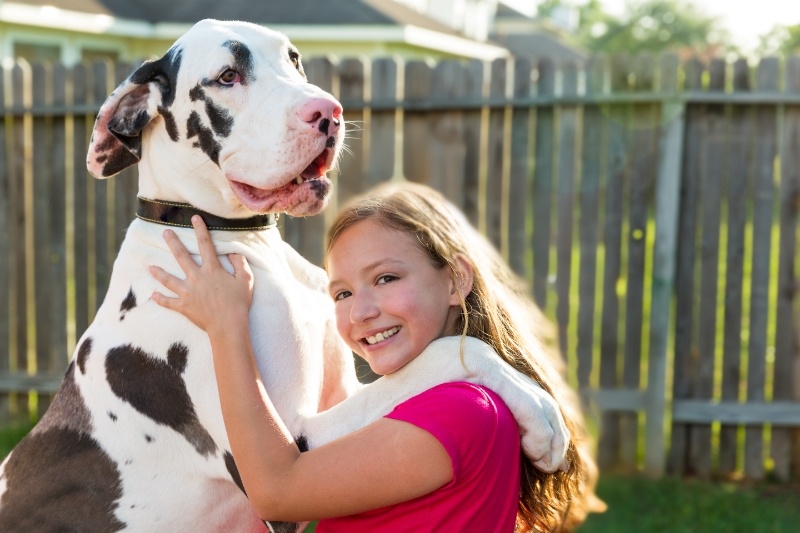
The Myth That One Fence Material Survives A Big Dog Yard
The strongest fence material on the market is still the wrong answer for a yard holding two large dogs. Strength is not the problem. Placement is. Sold one material at a time, a fence gets priced by the running foot and built to a single spec. That is exactly why the same three feet fail on rebuild after rebuild, in yard after yard. The pattern turns the fencing installation buffalo ny homeowners budget for once into a job they end up paying for twice. The argument here is simple: a fence that survives big dogs is a zoned fence, built from different materials at different heights. One premium material stretched across an entire run is a spec sheet, not a plan for animals. Take a half-acre lot in Cheektowaga with two shepherds and a shared property line down one side.
The Myth That One Material Survives A Big Dog
The myth is that material choice is one decision, made once, near the top of the quote. Vinyl gets sold as the dog-proof answer, and then a determined chewer finds a corner and works it all summer. Cedar gets sold as the solid, warm answer, and then proves to be the easiest thing in the yard to dig beneath. Neither pitch is a lie, exactly. Both are answers to the wrong question, because a fence never meets a dog evenly along its height. Cost keeps the myth breathing, since installing any fence at all runs expensive by the foot, with May 2026 figures putting installed cost between $33.48 and $53.87 per linear foot. At that rate a 300 foot perimeter becomes a five figure decision, so the instinct is to take the volume price and hope.
What Actually Fails And Where
Look closely at where the damage actually sits on a failed dog fence. The failure we see most often lives in the bottom eighteen inches of the run. Pickets get chewed at the lower rail, and a channel appears under whichever corner post the dogs favor. Hardware corrodes where snowmelt and dog urine pool against the frame. Above roughly three feet, that same fence is often untouched a full decade later. A bored eighty pound dog treats a fence line like a job, working the seam where material meets dirt. Gates go next, since a gate is the one part that moves and the one part a dog hears people use. Most fencing installation buffalo ny crews quote by the running foot, which rewards uniformity and punishes reinforcement exactly where the animal stands. The zone that fails is the zone worth spending on. (Paying twice for the same three feet is nobody’s favorite hobby.)
Underestimating the dull parts of a property is a habit rather than a fencing quirk. Researchers in the American Journal of Emergency Medicine counted more than a million stair injuries a year, reporting 1,076,558 emergency visits annually, about 37.8 per 10,000 residents. Stairs are ordinary, they sit in nearly every house, and they still fill emergency rooms every single year. The strip of fence a dog can physically reach deserves that same skepticism from a homeowner. Before anything goes in the ground, call 811 and have the utility lines marked on your property. Digging post holes is precisely the work that strikes gas and electric lines, and that call costs nothing.
Matching Material To The Zone That Needs It
A good work glove is never made from one single material. Leather covers the palm and fingertips where the wear lands, while cheap fabric covers the back of the hand. A fence can follow that same logic, and a mixed material install does it deliberately. Steel or aluminum framing with a dig barrier at grade, a chew-resistant lower panel, then a lighter and cheaper material for the top four feet. On that Cheektowaga lot, the shared property line gets the reinforced treatment along its full length. The side yard facing the driveway stays plain vinyl at a plain vinyl price.
Zoning does cost more per foot on the sections that receive it, and it still costs far less than a third full replacement two winters from now. So ask any installer to price the bottom two feet separately from everything above them. An installer who cannot break a quote that way is selling one material and calling it a plan. Check the gate hardware and the post depth below the frost line while you are asking, since both carry real load in Western New York. Get the low zone right and a fence stops being an annual expense.

- What to Expect During Your Dog’s First Visit to a Professional Groomer - September 21, 2026
- Why White Silkies Are the Best Pet Chickens for Families with Kids - September 18, 2026
- Pig Feed 101: A Beginner’s Guide to Feeding Your First Pigs - September 13, 2026




