
Florida Winters Do Not Stop Roaches From Moving In
Winter is supposed to be the season pests retreat, and for a family arriving from Ohio that assumption feels like plain common sense. In Tampa that instinct quietly fails you. The gap between what a newcomer expects and what Florida actually does is why so many first-year homeowners start calling local pest control companies tampa fl in the middle of what they thought was the quiet season. The honest version is simpler than the myth they moved down with. Florida runs on its own pest calendar, and treating a house on a northern seasonal schedule leaves it wide open right when the indoor trouble begins.
Mild Winters Do Not Mean A Pest Break
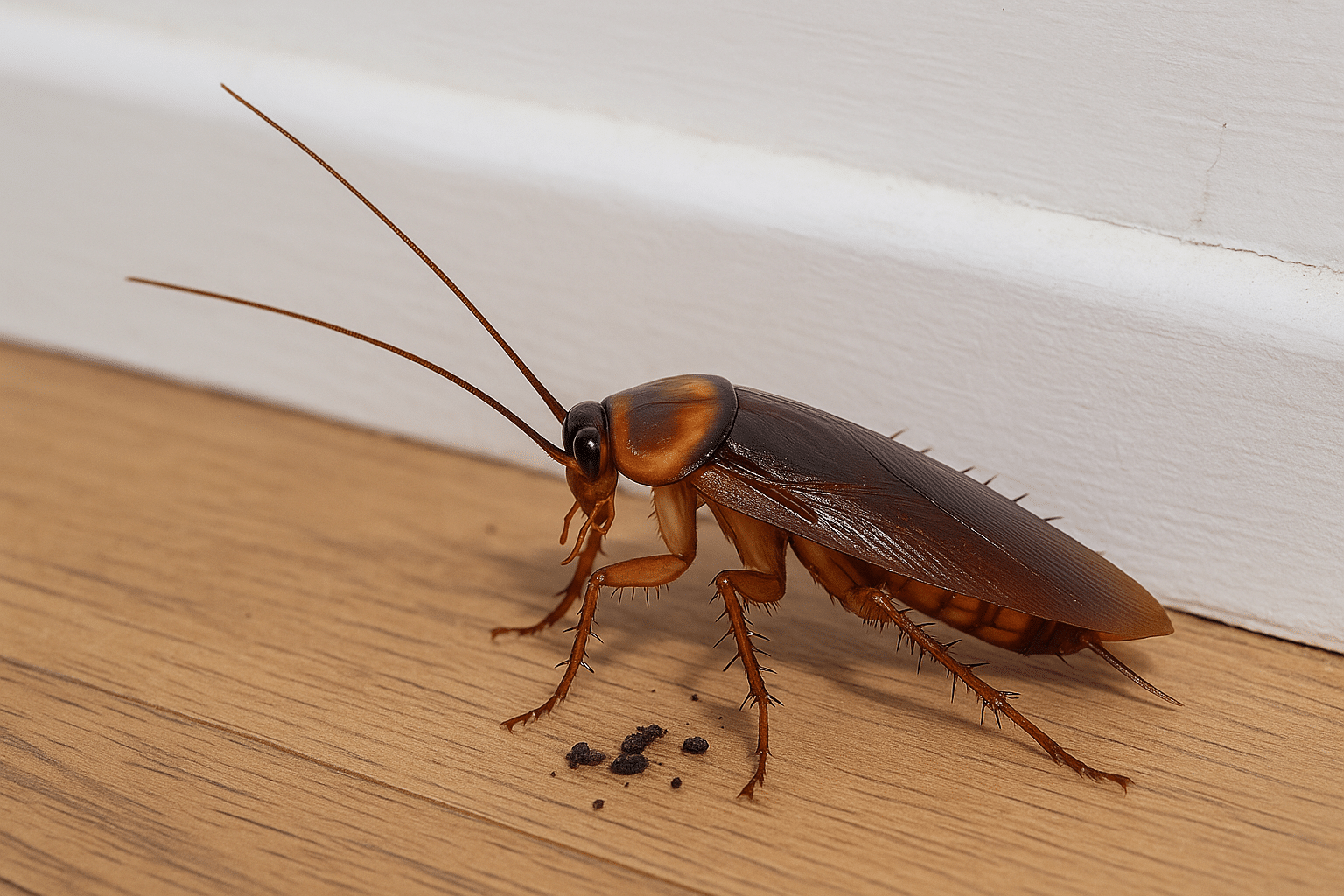
The myth is tidy and easy to believe. Cold means dormant, so winter means quiet, and that logic works fine in a place with real frost. Florida’s mild winters barely register with the insects that matter, and cockroaches least of all. A national renter survey reported in July 2026 found that more than 70% of renters see roaches at least monthly, and nearly 30% report seeing them daily. That figure came from 926 renters spread across 44 states. It is not a seasonal pattern at all. It is close to constant, and a warm state only tilts the odds further indoors. The case we see most often is a household that stayed pest free through a cold northern December. Then it meets a first roach in a Tampa January and assumes something has gone wrong with the house. It rarely is the house at all, it is the climate doing exactly what it always does down here.
What The First Three Months Really Look Like
Here is how a first Florida winter usually unfolds for a new homeowner, week by week. The first quiet week in the house is exactly the trap. By the end of the third week, with the AC cycling and a few warm afternoons in a row, the first sightings turn up near the kitchen sink and the garage door. By month two the pattern is obvious, with German roaches breeding indoors where it stays warm and humid all year. Within 90 days a household that did nothing is no longer swatting a stray bug but managing a small resident population. This matters well beyond the ick factor most people fixate on. The National Pest Management Association documents that cockroaches carry a long roster of pathogens, at least 33 kinds of bacteria along with 6 parasitic worms and 7 or more human pathogens. That is why a mid-winter surge indoors is a genuine health issue and not a passing nuisance. This is the window where searching for local pest control companies tampa fl stops being optional for most newcomers.
Local Pros Treat On Florida’s Real Calendar
The fix here is not simply more product on the baseboards. It is timing treatments to Florida’s actual year instead of the one a northern childhood taught you. Ten years ago the standard answer was a quarterly spray on a fixed date, the same visit whether it landed in January or July. Today a good local company reads the real drivers, humidity, indoor breeding sites, and the specific species active that month, then adjusts the schedule around them. That shift in approach matters most in winter, the season newcomers wrongly write off. Worth saying that not every winter pest is a roach, since the same mild months bring ants along the baseboards and the occasional rodent hunting a warm wall void, and wildlife work is its own specialty. But the core lesson still holds. A company that has treated Tampa homes through decades of these mild winters already knows the bugs never got the memo about the cold. It plans for the surge instead of reacting to it. Treat on Florida’s calendar, not the one you moved with, and your first winter stops being a nasty surprise.

- Veterinary Care for Exotic Pets in Los Angeles: Birds, Rodents and Small Companions - October 13, 2026
- Tendon and Ligament Health in Horses: The Role of Nutrition in Healing - October 12, 2026
- Best Mobility Chews for Dogs: Support Joint Health, Flexibility, and a Healthy Coat - October 10, 2026